Symgnosis
Field notes from the reading room
11 essays on tarot, philosophy, and the slow craft of looking inward.

Career Change at 40: How Tarot Helps You Find What's Real Between 'Still Time' and 'Too Late'
After 30, career change often comes with a voice saying 'it's too late.' The Wheel and the Hermit do not promise successful pivots — they help you see what you fear, what you wait for, and whose definition of 'in time' you are using.

Stoicism and Tarot: What the Tower Teaches When Everything Falls Apart
When layoffs hit, projects collapse, or life rearranges itself overnight, Stoics do not ask 'why me?' They ask: what is still in my control? The Tower card is not punishment — it is the moment the Stoic practice begins.

People-Pleasing and Tarot: Using the Cards to Practice Saying No
Always considering others first, struggling to refuse, saying yes and regretting it — people-pleasing is not kindness, it is an exhausting strategy. Strength and Swords in tarot can show you: boundaries are not selfishness, they are the condition of existing as yourself.

Tarot Is Not Fortune-Telling — Why Symgnosis Reads Cards, Not Futures
First-time visitors often ask: is this fortune-telling? At Symgnosis the answer is clear — tarot is a visual tool for self-reflection, not a crystal ball for fixed futures. Here is why that distinction matters for you.

Tarot and the I Ching: Two Ways of Reading Change — Can You Use Both?
Readers often ask: are tarot and the I Ching the same thing? One uses 78 images, one uses 64 hexagrams — both speak of change, both refuse fixed fate. This essay compares the two traditions philosophically so you can find your language — or use both.

The Three-Card Spread: The Best First Spread for Beginners (And How Not to Waste It)
Most beginners choose the three-card spread — past, present, future. But 'future' is easily misunderstood. This guide shows you how to use three cards for self-reflection: see where you came from, where you stand, and what choice opens — not wait for prophecy.
Emotional Exhaustion: Use Tarot to Do a Mental Declutter
Emotional exhaustion is not overthinking. It is a脑子 full of voices, none of which are telling the truth. Tarot is an outside voice — not you, but it can help you hear the one thing you have not been saying.
Memento Mori: Not About Death, About the Work You Have Left Undone
Memento mori is not pessimism. It is the world's most honest productivity tool. When you know your time is finite, you stop waiting for the perfect moment — because you realize the perfect moment was always now.

The Star: Hope Is Not Optimism, It Is Showing Up After Seeing Clearly
Optimism says 'everything will work out.' Hope says 'this is hard, but I am here.' The Star card in tarot does not tell you the night will not come. It tells you: when the night comes, you know where to go for water.
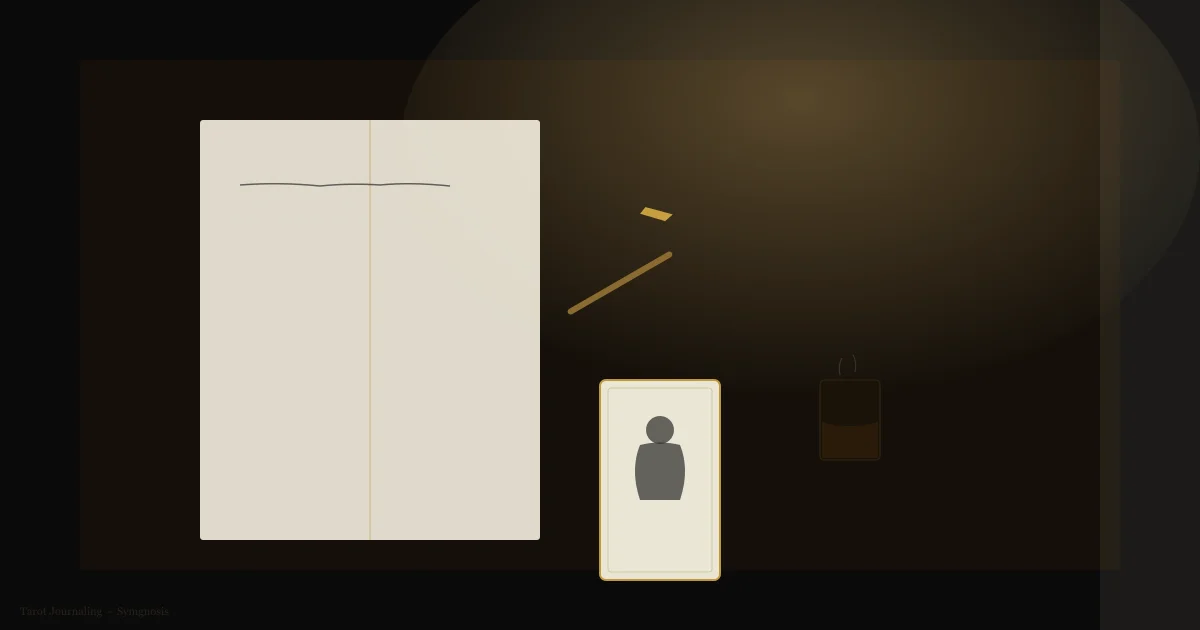
Tarot Journaling: One Card, One Question, One Honest Conversation with Yourself
Tarot journaling isn't about predicting tomorrow. It's about giving yourself permission to pause. When your fingers touch a card and it stops — that's not magic. That's your unconscious starting to speak.
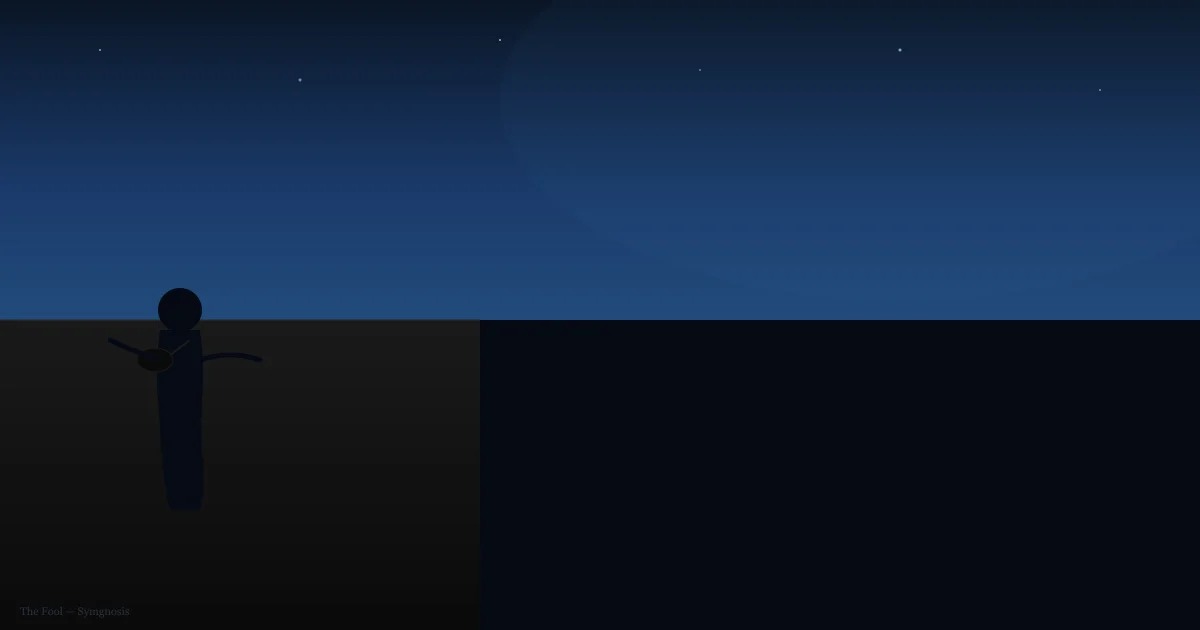
The Fool and the Tao: Walking Toward the Cliff Without Pretending
How the uncarved block — 朴 — reframes the Fool as a figure not of innocence, but of radical non-resistance.